
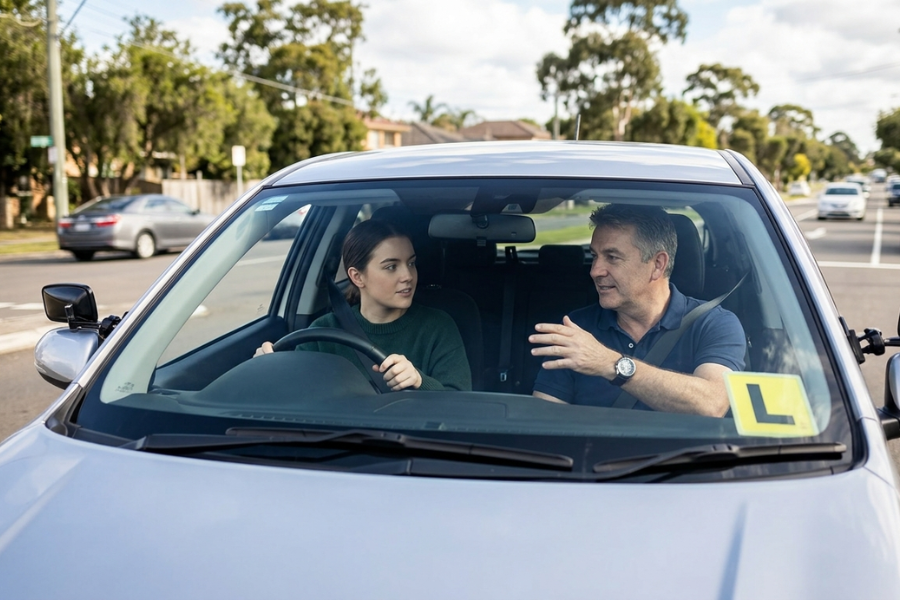
Most new learners in Australia are more focused on passing the driving test and getting their driving licence. It is an important milestone, a means to independence and mobility. However, when you’re driving, the person sitting beside you in the passenger seat can influence much more than whether you pass your test. They can shape your driving habits, how you judge hazards, respond to pressure situations, handle changing conditions, and behave around other road users for the rest of your life. So before you think of driving independently, you need professional guidance from someone who understands how to teach safe driving. That is where qualified driving instructors matter. Simply knowing how to drive isn’t enough. Your instructor should be an expert professional trained through accredited driving instructor course that ensure you learn all there is to become a safe and responsible driver. As more Australians work towards their licences, having enough skilled instructors to provide consistent, professional training becomes increasingly important.
More Learners Need Access to Quality Instruction
There’s no dearth of people wanting to learn to drive, and the demand for driving lessons isn’t limited to major cities. Metropolitan, regional, and suburban areas also have new learners who need access to instructors capable of providing regular lessons and ensuring they progress at a suitable pace. But if there is a limited number of instructors, finding flexible lesson times and regular sessions can be tough. This lack of regularity can make it harder to build on previous learning. When there are more qualified instructors, learners have more opportunities to practise consistently and develop their skills with professional guidance.
A Driving Lesson Is About More Than Passing
You’d think passing the driving test is the main goal of taking driving lessons. But good instructors know that’s not all they’ve got to teach their students. Beyond building driving skills, they also need to help you understand what safe driving looks like when there is no instructor sitting in the passenger seat. And that means teaching you skills you would need to become a safer driver, like good observation, hazard perception, safe positioning, speed management, and quick decision-making. Only teaching you how to perform a 3-point turn isn’t enough. They also need to teach you when it is safe to perform it in real traffic.
Confidence Comes With the Right Guidance
Driving is an activity that is as nerve-inducing as it is exciting, and you might find it uncomfortable at first. Maybe you can manage a quiet, suburban street alone, but when you encounter a busy roundabout, an impatient driver, or several lanes of traffic at once, you realise how tough driving actually is. But when you’re learning with a qualified instructor, they’ll break down those situations into smaller achievable goals instead of expecting you to handle everything immediately. They can tell you what to look for, give you enough time to process the situation, and gradually reduce their support as your confidence grows. This approach can make a significant difference to someone who feels nervous behind the wheel.
Regional Communities Need Local Instructors
Getting access to driving lessons outside major metropolitan areas can sometimes be a challenge. Regional communities around you may have fewer instructors to choose from, and travelling long distances for regular lessons isn’t always practical. But if there are professional instructors qualified through accredited driving instructor courses working in local communities, you have a better chance of getting good training closer to home. It also creates opportunities for people in those communities to build a career in an industry where their skills can have a direct impact on local road safety.
It Can Be a Flexible Career With Real Responsibility
Driving instruction can suit people who value flexibility. Instructors may work with an established driving school, operate independently, or eventually build their own business. There are also opportunities to move into areas such as fleet training, defensive driving, or other forms of driver education as experience develops. But flexibility comes with responsibility. You learn from your teachers and elders. So, if your instructors model patience, sound judgement, and respect for other road users, you’re more likely to develop those habits too. The quality of your instruction can influence how you drive for years after you receive your licence.
Help Shape Australia’s Next Generation of Drivers
Australia needs instructors who can do more than help learners pass a test. It needs patient, well-trained professionals who can help people become safer and more capable drivers. If you’re an aspiring instructor or someone ready to turn your driving experience into a career that can make a real difference, explore the Academy of Road Safety and its TLI41225 Certificate IV in Motor Vehicle Driver Training. Start your training today and take the first step towards teaching the drivers who will share Australia’s roads tomorrow.
