
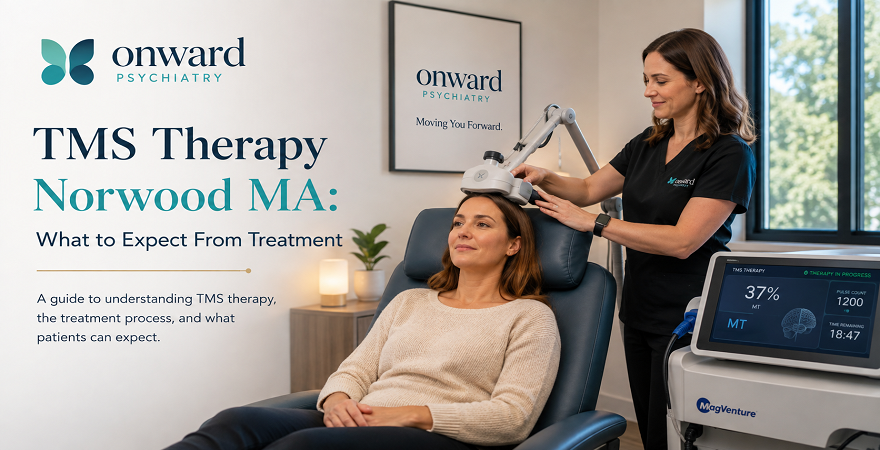
Deciding to try a new approach for depression is a big step. You probably have a lot of questions about transcranial magnetic stimulation and how it actually works. It is completely normal to feel a bit unsure about a new medical procedure. Knowing exactly what happens in the room can make a big difference in your overall comfort level.
If you are looking for localized care, starting TMS Therapy Norwood MA can offer a clear path forward without the systemic side effects of medication. This therapy is FDA approved and uses gentle magnetic pulses to stimulate areas of the brain linked to mood regulation. Because it is non invasive, you will not need any surgery or anesthesia. You stay completely awake and alert the entire time. Let us walk through exactly what you will experience from your very first appointment all the way to the end of your protocol.
Preparing for Your First Appointment
Getting ready for your first day does not require any major lifestyle changes. You can eat your normal meals and drink your morning coffee just like any other day. Since you will be sitting still for a while, it is a great idea to wear comfortable, loose fitting clothing. Try to arrive at the clinic a few minutes early so you can fill out any final paperwork without feeling rushed.
You should also plan to bring a list of your current medications and dosages. Your care team needs an accurate record of everything you take, including vitamins and supplements. If you feel nervous about the appointment, consider bringing a trusted friend or family member to sit in the waiting room. Having someone supportive nearby can ease your anxiety and make the entire experience much more relaxed.
The Initial Consultation and Brain Mapping
Your journey begins with a comprehensive evaluation. Before you even sit in the treatment chair, your doctor will review your medical history in detail. They need to ensure you are a good candidate for magnetic stimulation. They will ask about your previous medication trials and any history of seizures. You must also tell them about any metal implants in your head or neck, as the magnetic fields interact strongly with metal.
Once you are cleared to begin, your first official appointment will be a brain mapping session. This visit usually takes a bit longer than a standard daily visit. You will sit in a comfortable chair that looks a lot like a dentist chair. The technician or doctor will place a magnetic coil gently against your head. Their goal during this visit is to find your motor threshold. They will send a few single magnetic pulses to find the exact location and intensity needed to make your thumb twitch slightly.
This twitch tells them they have found the right spot and the correct strength for your individual treatment. It does not hurt, but it might feel a little strange to see your thumb move on its own. Once they determine your motor threshold, they will calculate the exact position for the coil over your prefrontal cortex. This is the area of the brain responsible for mood control. They will save all these measurements so they know exactly where to place the coil every time you return.
What to Expect During Your Daily Sessions
After the mapping is done, your regular appointments will be much quicker. A standard visit usually lasts between twenty and forty minutes depending on the specific machine your clinic uses. You will come into the office, sit in the designated chair, and the technician will place the coil against your head using the measurements from your first day.
When the machine turns on, you will hear a rapid clicking sound. You will also feel a tapping sensation on your scalp directly under the coil. Some people describe it as feeling like a woodpecker tapping on a hard hat. The sensation takes a little getting used to, but most people find it completely tolerable after the first few minutes. Clinics usually provide earplugs to block out the clicking noise, and you are highly encouraged to wear them.
Because you are awake, you can use this time to relax. Many treatment rooms are equipped with televisions so you can watch a show. You can also listen to a podcast, read a book, or just close your eyes and rest. The technician will stay in the room or monitor you closely through a window to ensure you are comfortable. There are no memory issues or grogginess associated with the procedure.
As soon as the session ends, you can get right up and go about your normal day. You are fully capable of driving yourself to and from the clinic. Many people schedule their sessions during a lunch break and head straight back to work without any downtime.
Understanding Side Effects and the Timeline for Results
One of the main reasons people choose this route is the mild side effect profile. Unlike daily medications that can cause weight gain or severe fatigue, the physical effects here are generally limited to the scalp area. During the first week of treatment, you might experience mild scalp discomfort or a slight headache. Over the counter pain relievers are usually enough to handle this. The discomfort typically fades entirely as your body gets used to the magnetic pulses.
It is also highly important to set realistic expectations for when you will start feeling better. This is not an overnight fix. You are physically retraining your brain cells to communicate more effectively. Most people begin to notice a shift in their mood after about two or three weeks of consistent daily sessions.
Interestingly, your friends and family might notice positive changes before you do. They might see that you are engaging more in conversation, smiling more often, or handling daily stress better. As the weeks progress, you might realize you have more energy, you are sleeping better, and your daily tasks feel less overwhelming.
Consistency is the absolute key to success here. A standard treatment plan usually involves going in five days a week for about four to six weeks. Skipping appointments can slow down your progress. By sticking to the schedule, you give yourself the best possible chance to experience long lasting relief. At the very end of your program, your doctor might schedule a taper phase. This means you will gradually reduce your visits to three days a week, then two days a week, before finishing completely.
Maintaining Your Mental Health After Treatment
Completing your primary treatment block is a major accomplishment. Many people experience full remission from their depressive symptoms. However, maintaining those results requires ongoing attention to your mental health. You will likely continue seeing your regular psychiatrist or therapist to monitor your mood and talk through your feelings.
If you ever feel your symptoms starting to return months or years later, you have options. Many clinics offer maintenance sessions or a shortened round of treatments to get you back on track. Your doctor will work closely with you to ensure you have a long term plan for staying healthy and happy.
