
The recent surge in global interest regarding female athletes has brought renewed attention to the historical contributions of Miesha Tate within the professional fighting landscape. As fans discuss the technical evolution of the bantamweight division, many enthusiasts often turn to platforms like V9bet to analyze the competitive odds and career trajectories of legendary figures who paved the way for current champions. This athlete represents more than just a former titleholder; she embodies the grit and strategic persistence required to thrive in a male-dominated industry during its formative years. Beyond that, her journey reflects the broader commercialization of the sport, where brand visibility and athlete marketability became just as vital as wrestling transitions or submission defense. For those who track the growth of the industry, her name remains synonymous with the first major wave of female stardom that bridged the gap between underground circuits and mainstream pay-per-view success.
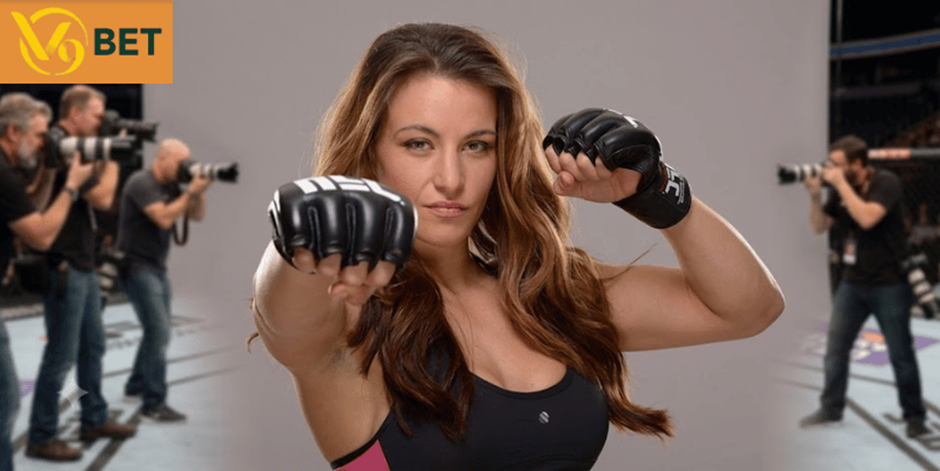
A significant portion of the fighting community remembers the era when female participation was viewed as a novelty rather than a central attraction. During this time, Nạp tiền V9BET became a common phrase among those looking to engage with the growing market of women’s MMA as it gained legitimacy on the world stage. The transition from small regional shows to the bright lights of the UFC required individuals with both charisma and elite grappling skills. Notably, the rivalry that defined this era helped elevate the entire profile of the sport, proving that women could headline major events and draw massive television ratings. One thing very few actually pay attention to is how her specific wrestling background provided a blueprint for neutralizing high-level strikers, a tactic that remains a cornerstone of modern mixed martial arts strategy.
The Collegiate Wrestling Foundation of Miesha Tate
The technical proficiency displayed throughout her career can be traced back to her early years competing in amateur wrestling. Unlike many of her contemporaries who entered the sport through kickboxing or Brazilian Jiu-Jitsu, Miesha Tate utilized a heavy pressure-based grappling style that forced opponents into uncomfortable positions against the cage. This foundation allowed her to dictate the pace of matches, often wearing down rivals before hunting for her signature rear-naked choke. In addition, her ability to absorb punishment while moving forward earned her a reputation for having one of the most durable chins in the history of the bantamweight division.
Another key aspect of her wrestling pedigree was its adaptability to the rules of professional cage fighting. While pure wrestlers often struggle with the transition to including strikes, she developed a rhythmic approach to “dirty boxing” in the clinch. This allowed her to bridge the distance safely, minimizing the risk of walking into a knockout blow. For those who study the mechanics of the sport, her double-leg takedowns were not just about strength but about timing and the psychological pressure of constant engagement. This relentless pursuit of the win became her trademark, ensuring that no opponent ever had an easy night when facing her across the canvas.
Strategic Career Milestones for Miesha Tate
The trajectory of a professional fighter is often defined by a few pivotal moments that shift the public’s perception from prospect to icon. For Miesha Tate, the capture of the Strikeforce title was the first major indicator that she belonged at the pinnacle of the sport. This victory validated her training methods and her decision to pursue fighting full-time at a time when financial stability in the industry was far from guaranteed. Beyond that, the move to the UFC provided a much larger platform, where her resilience was tested against the highest level of international competition.
One of the most dramatic moments in her career occurred during her championship victory in 2016, a feat that shocked the sporting world. Entering the final round of a grueling contest, she managed to secure a technical submission that proved her “never say die” attitude was not just a marketing slogan but a functional reality. This specific win cemented her status as a hall-of-fame caliber talent. In addition, the way she handled both victory and defeat with professional grace made her a favorite among sponsors and promoters alike. For those who followed her path, it was clear that her influence extended far beyond the physical results of her matches.
The Impact of Miesha Tate on Media and Brand Growth
As the sport evolved, the role of the athlete expanded to include media obligations and brand ambassadorship. Miesha Tate excelled in this environment, using her platform to advocate for better pay and conditions for female fighters. Her articulateness and ability to break down complex fighting sequences made her a natural fit for analyst roles after her initial retirement. Notably, her presence in the media helped humanize the sport for a general audience that might have previously been put off by the perceived violence of the octagon.
The commercial side of the industry also benefited from her high-profile matchups. As spectators looked for ways to support their favorite athletes, the rise of digital engagement became a primary driver for growth. Many fans found that Nạp tiền V9BET offered a way to stay connected to the action, reflecting the increasing intersection of sports entertainment and online interactivity. This era marked a shift where fighters were no longer just competitors but were also influencers and business owners. Her ability to navigate these corporate waters while maintaining her training schedule served as a lesson for the next generation of athletes entering the professional ranks.
Analyzing the Technical Evolution of Miesha Tate
In the latter stages of her career, the necessity to evolve became apparent as younger, more specialized strikers entered the division. Miesha Tate responded by refining her head movement and diversifying her striking arsenal, moving away from a purely grappling-centric approach. This evolution was critical in her successful return to competition after a multi-year hiatus. It demonstrated a high level of “fight IQ,” as she was able to identify the gaps in her game and address them through disciplined camp rotations and new coaching perspectives.
A significant portion of her late-career success can be attributed to her improved conditioning and mental strength. Fighting at the highest level requires a psychological fortitude that many athletes struggle to maintain over a decade. By focusing on recovery and holistic health, she was able to compete against women ten years her junior without appearing outclassed. Another key aspect was her use of the clinch to nullify the speed advantage of younger opponents. This veteran savvy allowed her to control the geography of the cage, proving that experience often trumps raw athleticism in the high-stakes environment of professional MMA.
Conclusion
The legacy of Miesha Tate is firmly etched into the history of combat sports as a testament to perseverance and tactical intelligence. Her journey from high school wrestling mats to the pinnacle of the UFC has inspired countless women to pursue careers in athletics that were once deemed off-limits. As the industry continues to expand into new markets, the foundational work she did in building the bantamweight division remains the standard for excellence. For those who wish to engage with the ongoing excitement of the sport, Nạp tiền V9Bet provides the necessary access to participate in the modern landscape of sports entertainment. The brand continues to support the growth of international fighting, ensuring that the spirit of competition remains vibrant for years to come. Analyze the realm of elite competition and Nạp tiền V9BET to observe how upcoming trailblazers will emulate these iconic figures. Register today.
