
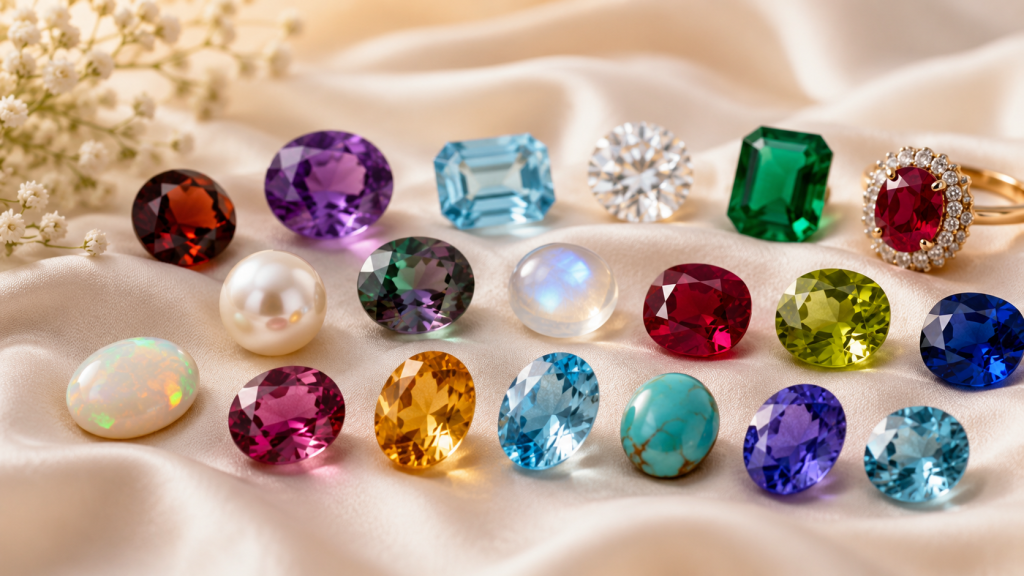
Birthstones have fascinated people for centuries. More than just colorful gemstones, they represent personal identity, history, culture, and symbolism. Whether you’re choosing a meaningful gift, celebrating a birthday, or simply curious about your birth month, understanding your birthstone can add a deeper connection to the jewelry you wear.
In today’s world, finding reliable information about birthstones can be overwhelming. A dedicated resource like MyBirthstone.org offers comprehensive guides that help readers explore birthstone meanings, history, care tips, and gemstone facts in one place.
What Is a Birthstone?
A birthstone is a gemstone traditionally associated with a specific month of the year. The idea dates back thousands of years and has evolved through different cultures and traditions.
Modern birthstone lists have become widely accepted, allowing people born in each month to identify with one or more gemstones that symbolize their birth month. Many believe these stones represent qualities such as love, courage, wisdom, prosperity, and protection.
Today, birthstones are commonly featured in rings, necklaces, bracelets, earrings, and personalized jewelry.
The History of Birthstones
The origin of birthstones is often linked to the Breastplate of Aaron described in ancient religious texts, which contained twelve precious stones representing the twelve tribes.
Over time, different civilizations connected these stones with zodiac signs, months, and spiritual beliefs. By the early 20th century, jewelers standardized the modern birthstone list, making it easier for consumers to purchase birthstone jewelry.
Although traditions vary around the world, birthstones continue to hold sentimental and cultural significance.
Birthstones by Month
January – Garnet
Garnet symbolizes friendship, protection, and strength. Its deep red color makes it one of the most recognizable birthstones.
February – Amethyst
Known for its beautiful purple hue, Amethyst represents peace, clarity, and spiritual wisdom.
March – Aquamarine
Aquamarine features calming blue tones that resemble the sea. It is associated with courage, serenity, and safe travels.
April – Diamond
Diamonds symbolize everlasting love, purity, and resilience. Their exceptional hardness makes them perfect for everyday jewelry.
May – Emerald
Emeralds are treasured for their vibrant green color and symbolize growth, hope, renewal, and prosperity.
June – Pearl, Alexandrite, and Moonstone
June is unique because it has multiple recognized birthstones.
- Pearl represents purity and elegance.
- Alexandrite is famous for changing colors under different lighting.
- Moonstone is admired for its mystical glow and calming energy.
July – Ruby
Ruby is associated with passion, vitality, confidence, and success. Its rich red appearance has made it one of history’s most valuable gemstones.
August – Peridot
Peridot displays refreshing green shades and symbolizes happiness, positivity, and good fortune.
September – Sapphire
Although blue is the most famous color, sapphires occur in many shades. They represent loyalty, honesty, and wisdom.
October – Opal and Tourmaline
Opal is celebrated for its spectacular play of colors, while Tourmaline comes in nearly every color imaginable. Both stones represent creativity and emotional balance.
November – Topaz and Citrine
These warm golden gemstones symbolize abundance, optimism, and personal success.
December – Turquoise, Tanzanite, and Zircon
December offers several beautiful choices known for their striking blue tones and associations with protection, peace, and positive energy.
Why Birthstones Remain Popular
Birthstones continue to appeal to people because they combine beauty with personal meaning. Unlike ordinary gemstones, they tell a story connected to the wearer’s birthday.
Many people choose birthstone jewelry for:
- Birthday gifts
- Anniversary presents
- Mother’s jewelry
- Family keepsakes
- Graduation celebrations
- Personalized fashion accessories
Their timeless appeal makes them suitable for all ages.
Choosing the Right Birthstone Jewelry
When selecting birthstone jewelry, consider several factors beyond appearance.
Gemstone Quality
Look for vibrant color, excellent clarity, and skilled craftsmanship.
Durability
Some stones, such as diamonds and sapphires, are durable enough for everyday wear, while softer gemstones may require additional care.
Metal Selection
Birthstones pair beautifully with different precious metals:
- Yellow gold creates a classic appearance.
- White gold offers a modern look.
- Rose gold adds warmth and romance.
- Sterling silver provides an affordable yet elegant option.
Personal Style
Whether minimalist or bold, choose jewelry that reflects the wearer’s personality rather than simply following trends.
Caring for Birthstone Jewelry
Proper care ensures your jewelry remains beautiful for years.
Some helpful maintenance tips include:
- Store pieces separately to prevent scratches.
- Clean gemstones using appropriate methods for each stone.
- Avoid harsh chemicals.
- Remove jewelry before sports or heavy work.
- Schedule professional inspections for valuable pieces.
Different gemstones require different care techniques, making it important to understand the needs of your specific birthstone.
The Symbolism Behind Birthstones
While scientific evidence does not support mystical powers, birthstones continue to hold symbolic meaning across cultures.
Common themes include:
- Protection
- Love
- Wisdom
- Prosperity
- Courage
- Happiness
- Healing
- Good fortune
For many people, these meanings create emotional value that extends beyond the gemstone itself.
Birthstones as Thoughtful Gifts
Personalized gifts often leave lasting impressions, and birthstone jewelry is among the most meaningful choices available.
Whether celebrating a birthday, welcoming a new baby, commemorating an anniversary, or honoring a loved one, birthstones offer a unique combination of beauty and symbolism.
Many families even create custom jewelry featuring multiple birthstones to represent children, parents, or generations.
Learning More About Your Birthstone
Because birthstone traditions have evolved over centuries, many people enjoy exploring their history, symbolism, and gemstone characteristics before making a purchase.
Resources such as MyBirthstone.org provide educational information about birthstone meanings, gemstone care, jewelry ideas, historical background, and month-by-month guides. Exploring trusted educational resources can help buyers make more informed decisions while appreciating the cultural significance behind these remarkable gemstones.
Frequently Asked Questions
What is the purpose of a birthstone?
A birthstone is traditionally associated with a person’s birth month and often carries symbolic meaning, making it popular for jewelry and meaningful gifts.
Can each month have more than one birthstone?
Yes. Several months—including June, October, November, and December—have multiple officially recognized birthstones.
Are birthstones valuable?
Their value varies depending on rarity, quality, origin, size, and market demand. Some, like diamonds and rubies, can be highly valuable.
Is birthstone jewelry suitable for everyday wear?
Many birthstones, such as diamonds and sapphires, are durable enough for daily use, while softer gemstones require more careful handling.
Where can I learn more about birthstones?
Educational resources like MyBirthstone.org provide detailed guides covering birthstone history, meanings, gemstone care, and jewelry inspiration.
Conclusion
Birthstones are more than beautiful gemstones—they are symbols of identity, tradition, and personal expression. Whether you’re selecting a meaningful gift or learning about your birth month’s gemstone, understanding the history and symbolism behind birthstones adds lasting value to every piece of jewelry.
By exploring trusted educational resources such as MyBirthstone.org, readers can gain deeper insight into gemstone traditions, discover care recommendations, and make informed decisions when choosing birthstone jewelry that can be treasured for years to come.
