


A Sheaf in the Bible is more than a bundle of harvested grain; it is a powerful symbol rooted in everyday life during biblical times. Farmers gathered stalks of wheat or barley into sheaves after harvest, making the image familiar to both Old and New Testament audiences. Because agriculture was central to survival, the sheaf naturally became a meaningful picture used in Scripture to communicate spiritual truths about provision, blessing, and God’s faithfulness.
Throughout Sheaf in the Bible sheaves appear in key passages to represent abundance, harvest, unity, and divine reward. From Joseph’s prophetic dream of sheaves bowing in Genesis to the laws of firstfruits and harvest offerings, the sheaf points to God’s order and purpose in human labor. Understanding the biblical meaning and symbolism of a sheaf helps readers grasp deeper lessons about obedience, humility, and the spiritual harvest God desires from His people.
Introduction to Sheaves in Biblical Times
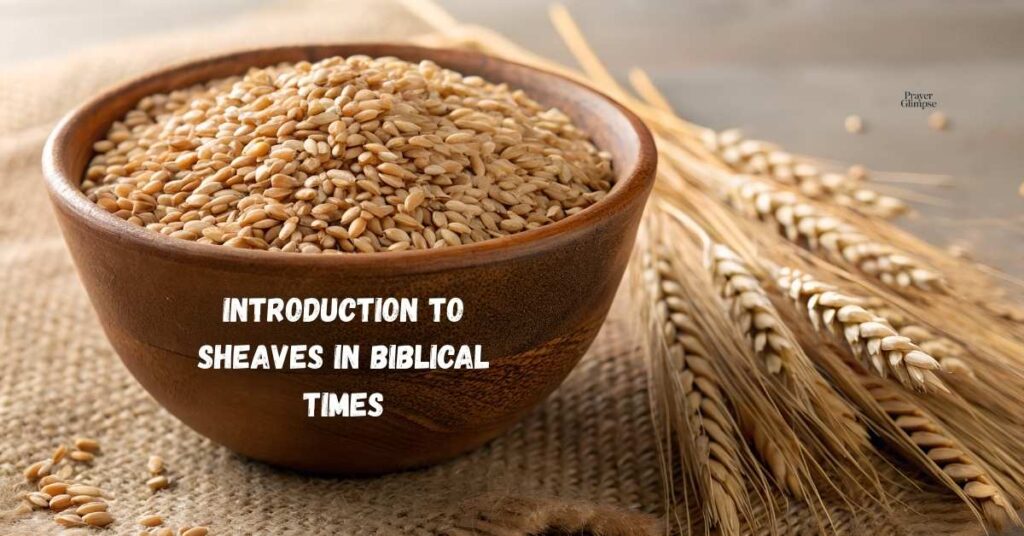
In biblical times, daily life revolved around farming, especially the growing and harvesting of grain. After cutting wheat or barley, farmers gathered the stalks and tied them into bundles called sheaves. These sheaves were left in the fields to dry before being taken to the threshing floor. Because everyone understood this process, the Bible often used sheaves as clear and meaningful images to teach spiritual lessons.
Sheaves symbolized the reward of hard work, God’s provision, and the joy of harvest. They also played a role in religious practices, such as offerings and laws about caring for the poor. This everyday farming image became a powerful way for God to communicate deeper truths to His people.
What Does “Sheaf” Mean in the Bible?
Sheaf in the Bible a sheaf refers to a bundle of grain stalks gathered after harvest. Beyond its literal meaning, it often represents abundance, blessing, and the results of faithful labor. Spiritually, a sheaf can point to the harvest of righteousness, God’s promises, or people gathered together under His purpose.
The meaning of a sheaf can change slightly depending on the context. Sometimes it speaks of joy and prosperity, while other times it highlights humility, submission, or future fulfillment, especially in prophetic passages.
Definition of a Sheaf

Sheaf in the Bible is a bundle of cut grain stalks, such as wheat or barley, tied together after harvesting. In biblical agriculture, sheaves were essential for transporting and storing crops. They made the harvest manageable and organized, ensuring nothing was wasted.
In Scripture, this simple farming tool becomes a symbol of God’s order and provision. Each sheaf reflects gathered fruit, whether physical grain or spiritual results.
Etymology and Hebrew Roots of the Word Sheaf
The Old Testament Hebrew word for sheaf is “ʿōmer” (עֹמֶר). It refers to a measured bundle of grain and is closely connected to harvest practices. The word appears in laws about offerings, such as the “omer” of firstfruits presented to God.
This Hebrew root emphasizes measurement, order, and dedication. It reminds readers that the harvest ultimately belongs to God and should be honored with gratitude and obedience.
You can also read; Biblical Meaning of the Name EMMA – Spiritual Significance
Biblical Verses That Mention Sheaves

Several key Bible verses mention sheaves and give them symbolic meaning. In Genesis 37:7, Joseph dreams of his sheaf standing upright while his brothers’ sheaves bow, pointing to future authority and God’s plan. Psalm 126:6 speaks of those who sow in tears returning with sheaves of joy, symbolizing hope and restoration.
Other references appear in harvest laws, such as Leviticus 23:10–11, where a sheaf of firstfruits is offered to the Lord. These verses show how sheaves represent blessing, promise, and God’s faithful reward to His people.
Importance of Sheaves in Ancient Israelite Life
Sheaves played a vital role in the daily life of the Israelites, serving both practical and symbolic purposes. In a society deeply rooted in agriculture, the harvest determined survival, sustenance, and economic stability. Sheaves were not just a measure of food but also a reflection of God’s provision and faithfulness. They reminded the people that all abundance came from the Lord and that diligent work was honored by Him. Beyond physical sustenance, sheaves became woven into religious rituals, offerings, and festivals, highlighting their spiritual and cultural significance.
Agricultural and Economic Value of Sheaves
In ancient Israel, sheaves were essential for storing and transporting grain efficiently. Bundling harvested stalks made it easier to carry crops to threshing floors, where the grain was separated from chaff. Economically, sheaves represented wealth, as a larger harvest meant more food, trade goods, and resources for the family and community. They also ensured survival during lean seasons and were often counted and measured for taxation, tithes, or offerings to God, making them both a practical and symbolic unit of value.
Spiritual Lessons from Harvest and Sheaves
Sheaves carry deep spiritual symbolism in the Bible. They represent the fruits of hard work, God’s blessings, and the principle of sowing and reaping. Just as farmers patiently gather and bind the grain, believers are called to nurture their spiritual lives and trust in God for the ultimate harvest. Sheaves also teach lessons about obedience, gratitude, and community, emphasizing that God rewards faithfulness. In prophetic visions, like Joseph’s dream, sheaves can symbolize leadership, destiny, and God’s divine plan unfolding in the lives of His people.
Symbolism and Prophetic Meaning of Sheaves in the Bible
Sheaf in the Bible sheaves are more than bundles of grain; they carry rich symbolic and prophetic meanings. They often represent the results of labor, God’s favor, and the gathering of His people. By using such a familiar agricultural image, Scripture communicates spiritual truths about growth, provision, and divine timing. Sheaves remind believers that just as grain is carefully gathered and preserved, God’s plans and blessings unfold in an orderly and purposeful way.
Sheaves as a Symbol of Harvest and Blessing
Sheaves frequently symbolize harvest, abundance, and blessing. They reflect the tangible rewards of diligence and faithfulness, showing that God honors effort and obedience. For example, Psalm 126:5–6 states that those who sow in tears will reap with joy, illustrating how hard work and perseverance lead to fruitful outcomes. Spiritually, sheaves also represent the collective blessings of a community or nation under God’s care, reminding believers of His provision and generosity.
Sheaves in Prophecies and Dreams

Sheaves often appear in biblical prophecies and dreams to convey God’s plans for the future. A notable example is Joseph’s dream in Genesis 37:7, where his sheaf rises while his brothers’ sheaves bow down, symbolizing his future leadership and God’s sovereign orchestration of events. Such imagery underscores the idea that God’s will guides the course of human history, and what seems ordinary like a bundle of grain—can carry profound spiritual significance. Sheaves in visions consistently point to divine purpose, destiny, and the ultimate fulfillment of God’s promises.
Sheaves and the Concept of Firstfruits Offerings
In biblical times, sheaves were closely linked to the concept of firstfruits, where the first harvested grain was offered to God as a sign of gratitude and recognition of His provision. Leviticus 23:10–11 instructs the Israelites to present a sheaf of the first barley harvest to the Lord. This practice symbolized faith, obedience, and trust that God would continue to provide for the remaining harvest. The offering of sheaves as firstfruits also pointed forward to the ultimate provision of Christ, the firstfruits of resurrection for all believers.
Lessons Christians Can Learn from Sheaves Today
Sheaves remind Christians that spiritual growth requires diligence, patience, and trust in God. Just as farmers cannot rush the growth of grain, believers must remain faithful, nurturing their relationship with God and trusting Him for the eventual spiritual harvest.
Giving God the First and the Best
Offering the first sheaf teaches the principle of giving God the best of our time, resources, and talents. Prioritizing God demonstrates gratitude and acknowledges that all blessings originate from Him.
Waiting Patiently for God’s Promise (Harvest Season)
The sheaf also symbolizes the importance of waiting for God’s timing. Farmers wait for the grain to ripen fully before harvesting, illustrating that God’s promises unfold according to His perfect schedule. Christians are called to remain patient, knowing that the spiritual fruits of their efforts will be realized in God’s timing.
FAQs
What is a sheaf in the Bible?
A sheaf is a bundle of harvested grain, often symbolizing abundance, blessing, and the results of faithful labor.
Why are sheaves important in biblical times?
Sheaves were essential for agriculture, economic stability, and religious offerings, representing both sustenance and God’s provision.
What do sheaves symbolize spiritually?
Sheaves symbolize harvest, blessing, diligence, obedience, and God’s faithfulness in rewarding effort and faith.
How are sheaves connected to firstfruits offerings?
The first harvested sheaf was offered to God as a sign of gratitude, trust, and recognition that all blessings come from Him.
What can Christians learn from sheaves today?
Sheaves teach faithfulness, patience, giving God the best, and trusting His timing for spiritual growth and harvest.
Conclusion
Sheaf in the Bible carry rich meaning beyond their literal agricultural purpose. They represent God’s provision, the rewards of diligence, and the spiritual harvest that comes from faithfulness and obedience. From Joseph’s prophetic dreams to the offering of firstfruits, sheaves illustrate how God works in both the natural and spiritual realms, reminding believers of His order, blessings, and divine timing.
For Christians today, the symbolism of sheaves encourages trust, patience, and wholehearted devotion to God. By giving Him the first and the best, remaining faithful during spiritual growth, and waiting for His promises to bear fruit, believers can experience the joy and fulfillment that come from aligning their lives with God’s purpose. Sheaves thus remain a timeless reminder of God’s faithfulness and the spiritual harvest He promises.
